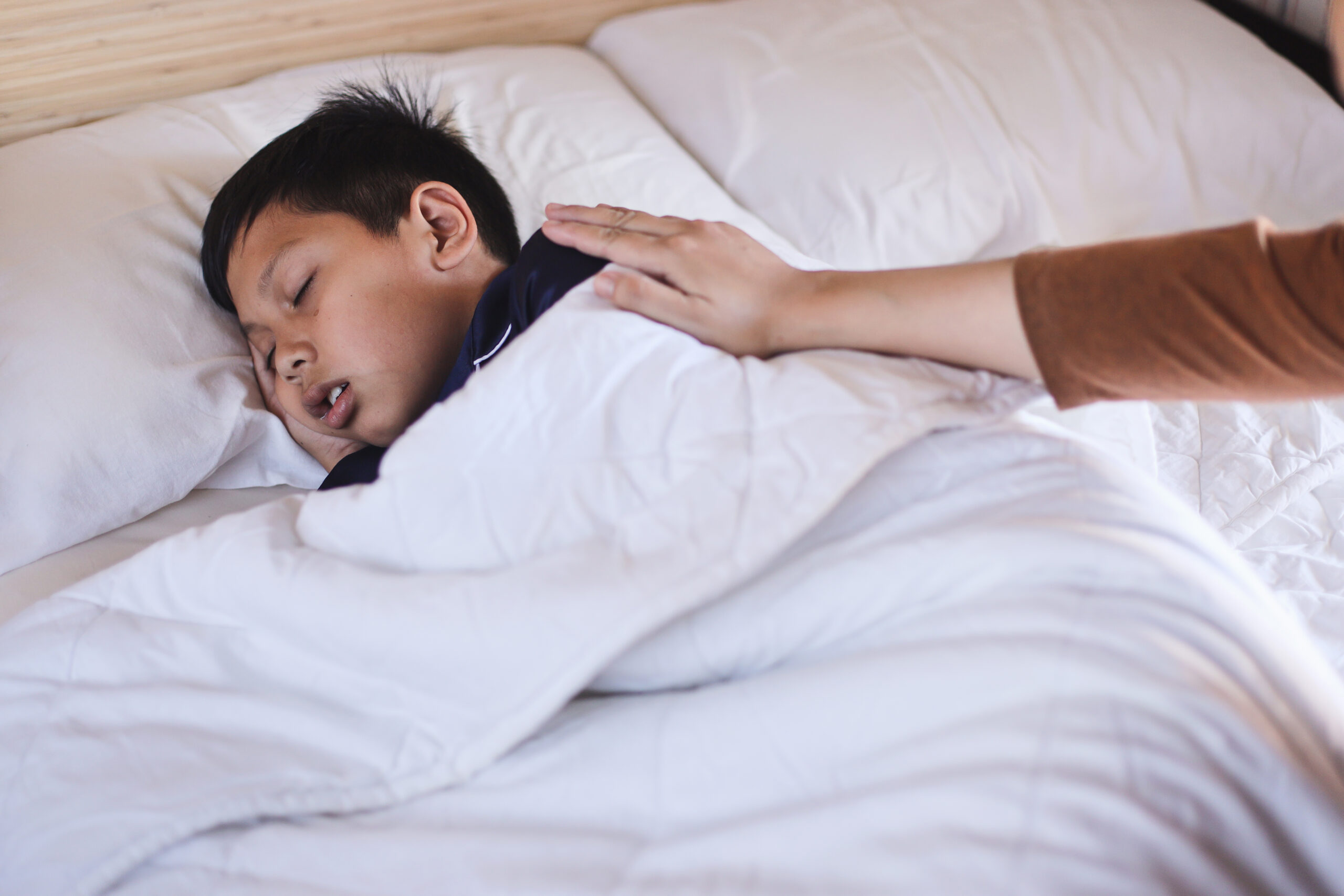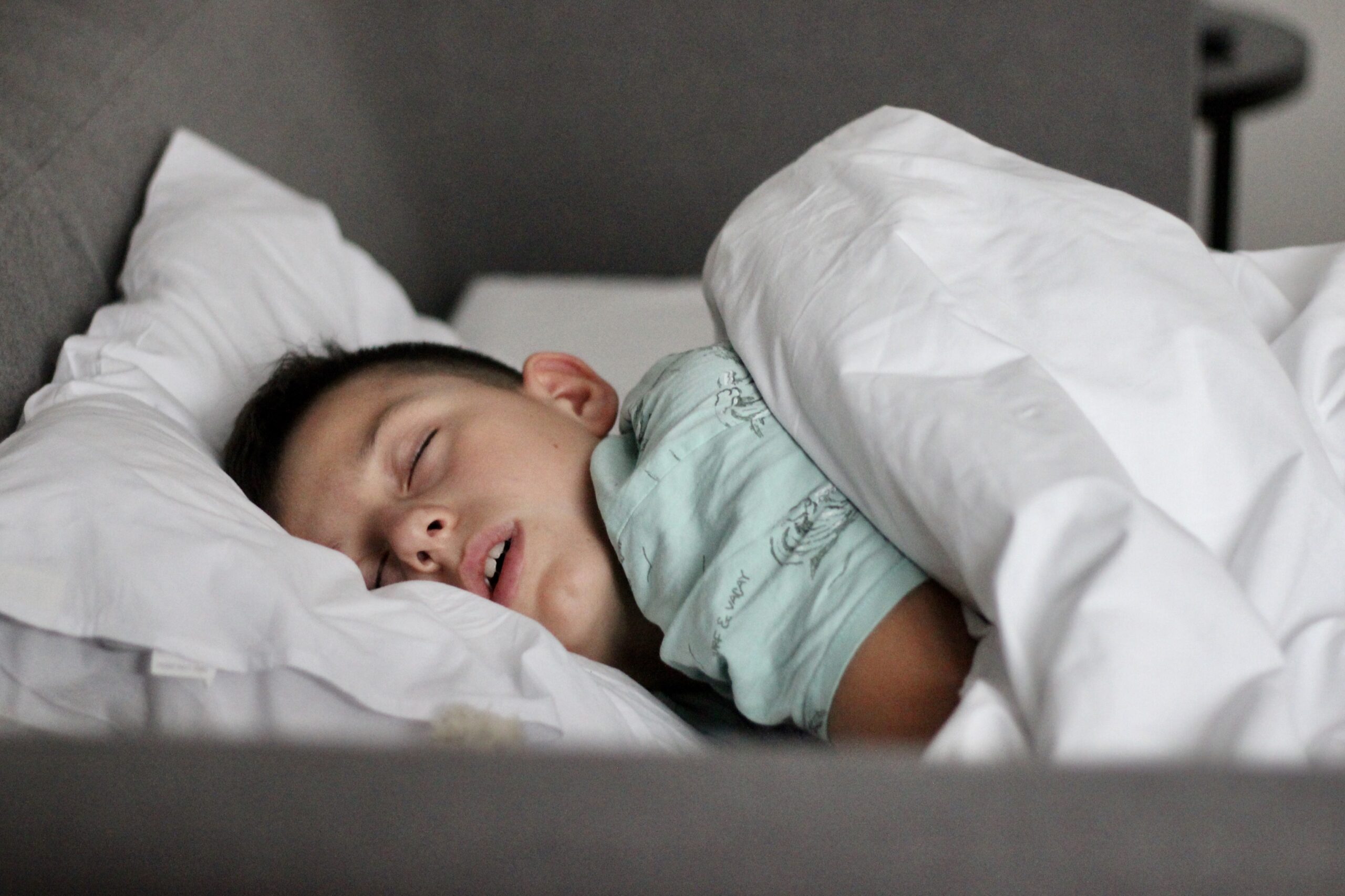
Hearing the sound of your child grinding their teeth at night — or noticing worn-down tooth surfaces at a dental checkup — is unsettling, but it’s also far more common than most parents realize. Childhood bruxism affects a wide range of children, with studies estimating prevalence anywhere from 13% to 49% depending on how it’s measured. The real question isn’t just whether it’s happening, but why, and whether it’s something to simply monitor or something worth a closer look.
This article is for general education and isn’t a substitute for a professional medical or dental evaluation.
What Is Nighttime Grinding, Exactly?
Bruxism refers to repetitive jaw muscle activity involving clenching or grinding the teeth, and in children it happens predominantly during sleep. It’s more common in children than adults, and while occasional grinding during a stressful week or a growth spurt isn’t unusual, frequent or ongoing grinding is worth paying attention to rather than dismissing as something every child does.
Jaw Discomfort and Headaches
Sleep bruxism is often thought of as primarily a dental issue — something that wears down teeth — but research reviewing bruxism, headaches, and sleep-disordered breathing in children has found it’s frequently associated with orofacial pain and headaches as well, not just tooth wear. A child who grinds regularly may complain of jaw soreness or tightness upon waking, or experience morning headaches that seem to have no other clear cause. Some research has also found associations between childhood sleep bruxism and temporomandibular disorder (TMD)-related symptoms, meaning the jaw joint itself, not just the teeth, can be affected over time.
Restless Sleep and the Bruxism Connection
Grinding rarely happens in isolation from the rest of a child’s sleep quality. Bruxism has been documented alongside other sleep disturbances in children, including abnormal body movements, increased muscle activity, and disrupted sleep architecture. In practice, this often means a child who grinds their teeth may also be a restless sleeper more broadly — tossing, turning, or waking more frequently than expected — even if grinding is the only symptom a parent has specifically noticed.
Stress vs. Physical Factors: What’s Actually Causing It?
Parents often assume grinding is purely a stress response, and sometimes it is — anxiety, a change in routine, or emotional stress can contribute to bruxism in children just as it can in adults. But research on childhood bruxism describes its causes as complex and multifactorial, meaning stress is only one possible piece of a larger picture that can also include physical and structural factors.
This is where the connection to breathing becomes especially relevant. Research on children with obstructive sleep apnea has found an increased prevalence of sleep bruxism specifically in children with respiratory disorders, and studies using polysomnography — an overnight sleep study that records brain activity, breathing, and muscle movement together — have documented physiological events linking bruxism episodes to breathing-related sleep disruption in children with OSA. In other words, for some children, grinding isn’t a standalone habit or a purely psychological response — it may be connected to how well they’re breathing during sleep.
Sleep and Breathing Considerations
Because bruxism and sleep-disordered breathing so frequently occur together in children, it’s worth considering airway health as part of the picture, not just stress or dental factors in isolation. If your child grinds their teeth and also snores, breathes through their mouth, or shows other airway-related signs, those symptoms are worth evaluating together rather than separately. Our related guides on Why Does My Child Snore? and Why Does My Child Sleep With Their Mouth Open? cover two of the most common airway-related patterns that can accompany nighttime grinding.
A narrow palate can also be part of this picture, since it affects airway space and jaw positioning. Our guide on Narrow or High-Arched Palate in Children covers how palate development and airway function are often connected.
When Evaluation Is Appropriate
A few patterns are worth bringing to your child’s pediatrician or an airway-focused provider:
- Grinding that happens most nights, rather than occasionally
- Visible tooth wear noticed at dental checkups
- Complaints of jaw soreness, tightness, or clicking upon waking
- Morning headaches without another clear explanation
- Grinding alongside snoring, mouth breathing, or restless sleep
- Daytime fatigue, irritability, or trouble concentrating
None of these signs alone confirms an airway-related cause, but a cluster of several together — particularly grinding combined with snoring or mouth breathing — is a reasonable reason to pursue a broader evaluation rather than treating grinding as an isolated dental concern.
Getting a Full Evaluation
Because childhood bruxism can stem from stress, dental development, jaw structure, or airway-related sleep disruption — sometimes more than one factor at once — a thorough evaluation looks at the whole picture rather than assuming a single cause. This is the same coordinated approach behind our Pediatric Care services, where we evaluate airway, breathing pattern, and growth together. If a narrow palate or airway restriction is contributing to your child’s symptoms, our page on Palatal Expansion & Growth Guidance for Children covers one treatment approach worth understanding.
Getting Answers Instead of Waiting It Out
If your child grinds their teeth regularly, especially alongside snoring, mouth breathing, headaches, or restless sleep, it’s worth having their airway and jaw evaluated rather than assuming it’s simply a phase. Contact us to schedule a consultation and get a clearer picture of what’s actually happening while your child sleeps.
References
- Restrepo C, et al. Topical review: sleep bruxism, headaches, and sleep-disordered breathing in children and adolescents. PubMed. https://pubmed.ncbi.nlm.nih.gov/23110266/
- Sleep Bruxism in Children: Etiology, Diagnosis, and Treatment — A Literature Review. PMC, National Library of Medicine. https://www.ncbi.nlm.nih.gov/pmc/articles/PMC8471284/